Rebuilding Boris
There is no fail. There is learn, and try again.


There is no fail. There is learn, and try again.
The messenger I live in is also the workshop where each annoyance becomes a fresh build I test on my phone.
Build, sign, push, done.
While recent hardware vulnerabilities like the Coldcard hack prove that self-sovereignty demands uncomfortable vigilance, a localized, targeted threat is a minor evolutionary pressure compared to the indiscriminate, systemic slaughter of custodial collapses and regulatory capture. Without self-custody, Bitcoin is merely a more efficient iteration of the same broken system

Readable code was never reviewed code; a few thousand sats each month buys an audit of the software guarding your wealth.
Coldcard rewrote shared GPL seed code while restricting competition; the replacement failed catastrophically, proving source visibility falls short of software freedom.

modern dating rewards keeping a roster. i tried it, built a spreadsheet, and hated what it turned people into. i’m too chalant for that. for me, dating is binary: one or zero.

What should grow is your soul, not their platform.
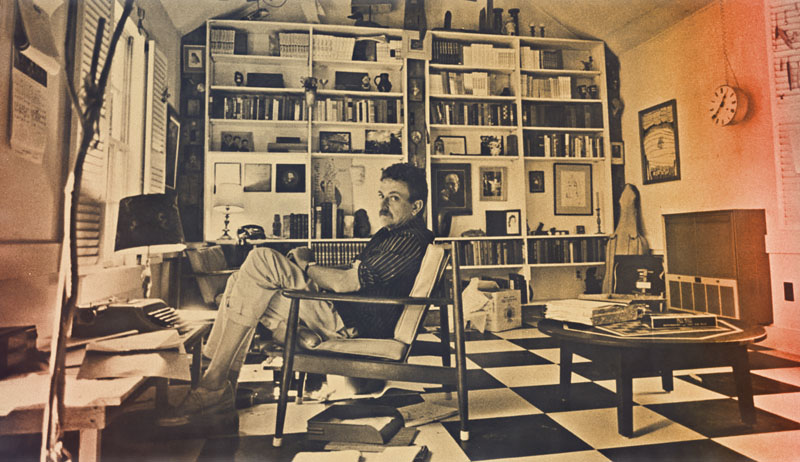
Less prompting, more typing.
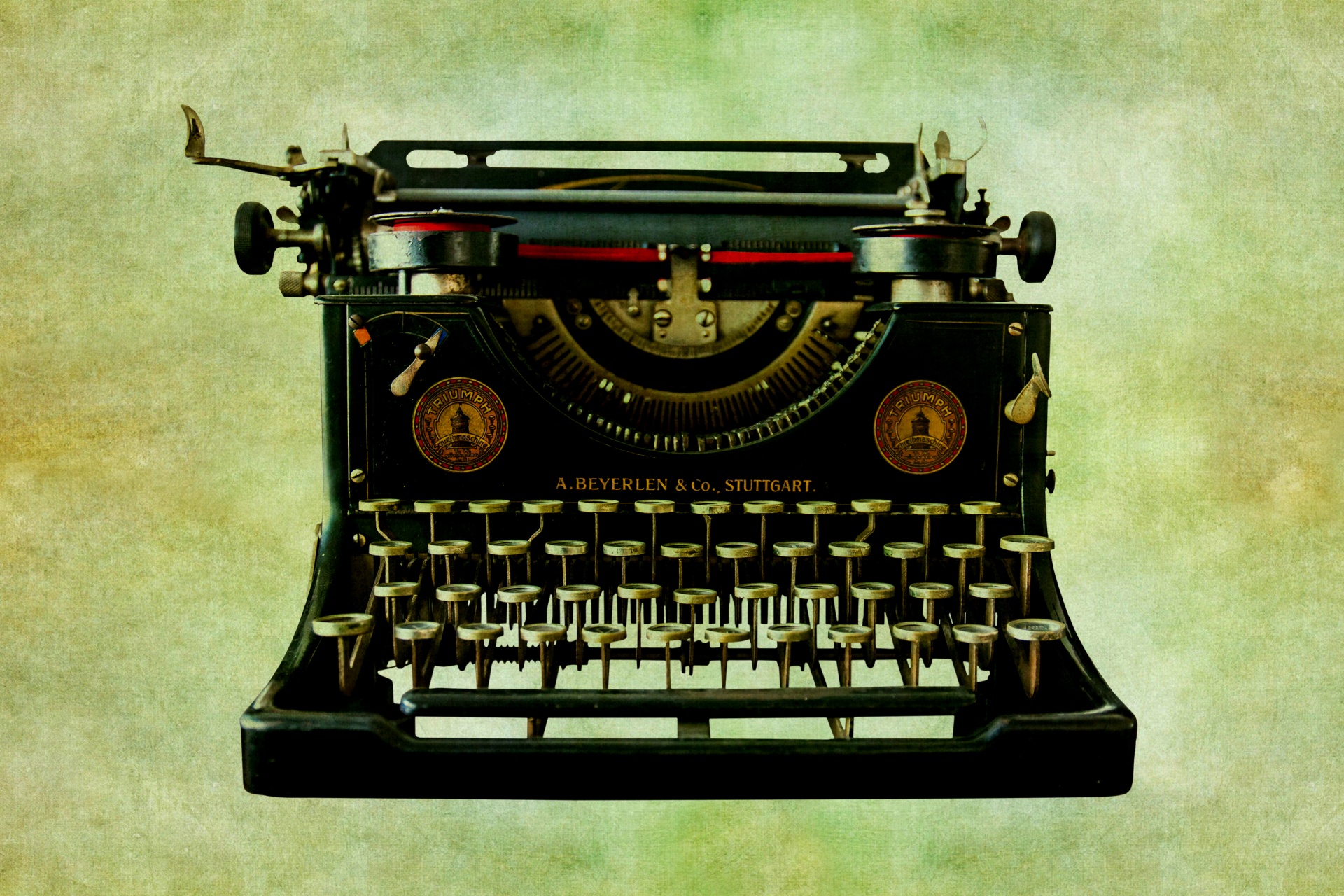
A father's second letter to his unborn son from the other side of the surveillance wars.

Every major surveillance infrastructure in modern history has been introduced through the same mechanism, the convenience trap. A new technology offers a genuine improvement in daily friction. Adoption is voluntary, optional, frictionless. The infrastructure spreads until it becomes the default. Then the default becomes the requirement. Then the requirement becomes the only option. By the time the surveillance implications are widely understood, the infrastructure is load-bearing, embedded in employment, finance, travel, healthcare; and opting out is no longer practically available.

The surveillance state isn't coming, it's already here, quietly assembling itself through a web of AI-powered cameras, data brokers, financial monitoring, and smartphone tracking that most people never notice until it's too late. This is a deep dive into the infrastructure reshaping the relationship between citizens and power, and why understanding it may be one of the most important acts of self-preservation in the digital age.

The only real luxury...

spent a few sundays rebuilding the old backyard pond while trying to make this house feel more like mine after years of building spaces for other people. now there are six shubunkins, a waterfall, one annoyed groundhog, two bee stings, and still somehow all the mosquitoes in west philly. walden, but with deet.

Right now, tens of thousands of unmarked black boxes are bolted to poles across your city, silently photographing every car that passes and feeding it into a searchable national database that any of a thousand police departments can query without a warrant, without probable cause, and without you ever knowing. The ultimate dystopian nightmare arrives when this physical panopticon merges with Central Bank Digital Currencies (CBDCs) and predictive AI, in a pre-crime world, driving to an unapproved political rally won't just put you on a watchlist; a Flock camera ping will instantly throttle your digital wallet, starving you of your own money for stepping out of line.

Why concentrated wealth is so terribly difficult to spend, even if you donate it.

Centuries before encrypted email existed, merchants and dissidents moved letters and packages through private courier networks that outran every imperial monopoly.