Alien Investor

alien-investor@alien-investor.org

👽 Alien Investor | ₿ Bitcoin · Privacy · Freedom ⚡ Satirist · 🛸 UFO-Pilot 💸 Support: https://alien-investor.org/spenden.html 📜 My Mission: https://alien-investor.org/mission.html 📬 Newsletter: https://alien-investor.org/newsletter.html

Cypherpunks: The Origins of Digital Self-Defense

In the early days of the internet, strong encryption was legally classified as a weapon of war. This article explores the history of the Crypto Wars, the rise of the Cypherpunks, and how creative civil disobedience — from printing code in books to wearing it on t-shirts — established privacy as a fundamental digital right.
Cover image for Cypherpunks: The Origins of Digital Self-Defense

Cryptography: Why It Is Indispensable for Freedom

Cryptography is not just rocket science; it is the foundation of modern digital life. By distinguishing between symmetric and asymmetric encryption, this article explains how mathematics shifts the power balance from centralized authorities back to the individual. It is the ultimate tool for digital self-determination.

Cover image for Cryptography: Why It Is Indispensable for Freedom

The Mobile Bunker: Encryption on GrapheneOS (Termux Edition)

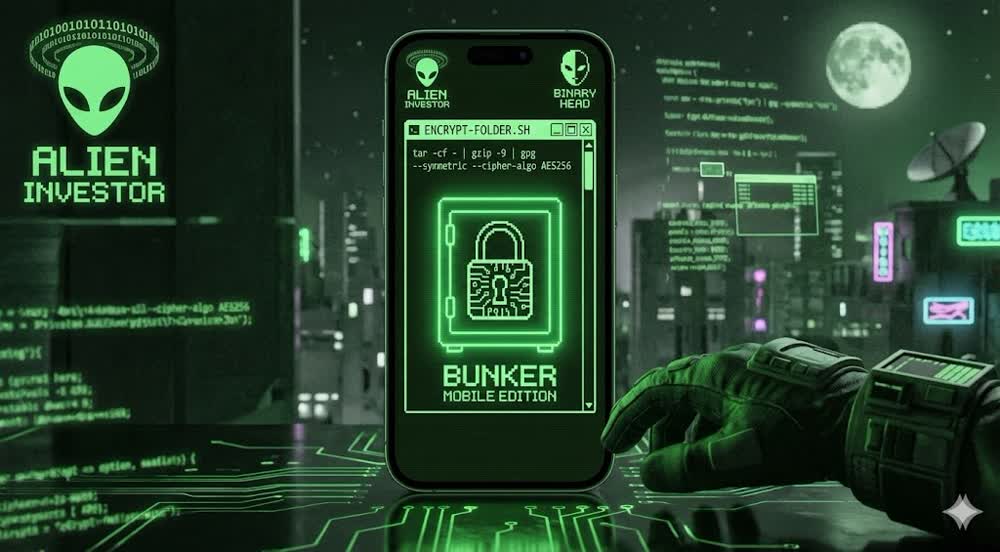
Sovereignty shouldn't stop at your desktop. In this second part of the Digital Bunker series, we build a mobile encryption workflow using GrapheneOS and Termux. These scripts allow you to securely encrypt and decrypt sensitive archives on your phone, fully compatible with your Linux desktop setup.

Cover image for The Mobile Bunker: Encryption on GrapheneOS (Termux Edition)

The Great Closure: How Android 2026 Buries Free Sideloading

Android is closing the gates. Starting in 2026/2027, sideloading will be severely restricted through identity requirements and a new Advanced Flow. This article analyzes how Google's move threatens F-Droid and Nostr, and why GrapheneOS is transforming from a privacy tool into a structural necessity for digital sovereignty.

Cover image for The Great Closure: How Android 2026 Buries Free Sideloading

The Digital Bunker: Scripting Sovereignty

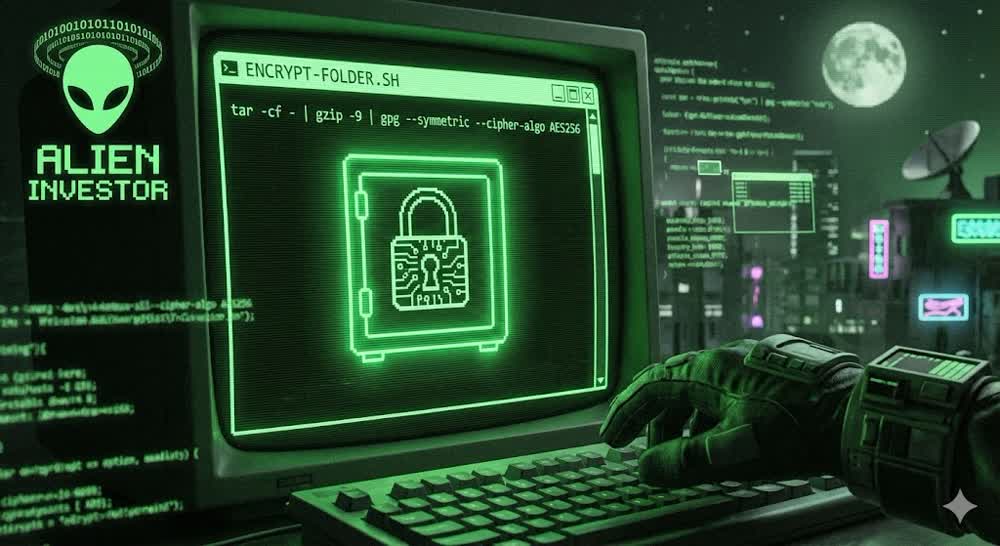
True privacy relies on transparency, not secret apps. This guide provides two audit-proof Bash scripts to encrypt and decrypt sensitive folders using standard GPG and AES256. No cloud, no subscription, just pure math and Linux.

Cover image for The Digital Bunker: Scripting Sovereignty

The Digital Bunker: Command Line Comfort

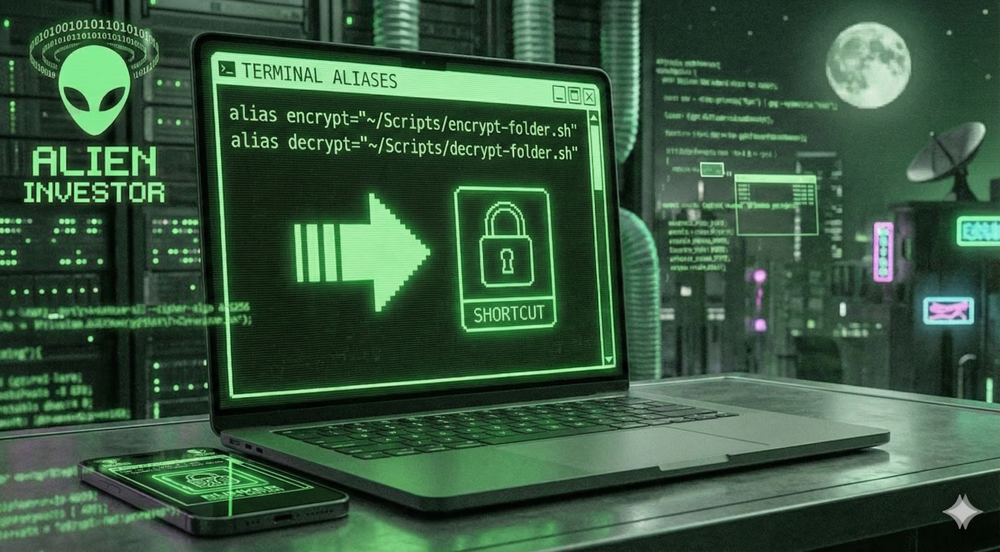
Security must be usable. Typing file paths is tedious and prone to error. This guide shows you how to use aliases to integrate your encryption scripts directly into your terminal workflow on both Linux and GrapheneOS (via Termux).

Cover image for The Digital Bunker: Command Line Comfort

GrapheneOS: Reclaiming Ownership of Your Device

GrapheneOS offers a privacy-focused alternative to stock Android by removing Google tracking and hardening system security. This guide outlines the risks, prerequisites, and installation process for sovereign users. It explores the necessary trade-offs between convenience and digital self-determination.

Cover image for GrapheneOS: Reclaiming Ownership of Your Device

GrapheneOS: Hardened Android for the Surveillance Age

Your smartphone is your most intimate spy. It knows where you sleep, whom you message, what you search for, and where you travel. If you use Bitcoin, maintain sensitive contacts, or simply refuse to be treated like a transparent lab rat, standard Android settings are no longer sufficient.

Cover image for GrapheneOS: Hardened Android for the Surveillance Age

Why Every Bitcoiner Should Run a Full Node

A personal Bitcoin full node is the most effective tool for achieving financial sovereignty, privacy, and true independence. Operating without one means trusting third parties to verify your transactions, which undermines the core properties that separate Bitcoin from traditional fiat systems. This article outlines ten reasons why running a node is essential and provides practical steps for implementation.

Cover image for Why Every Bitcoiner Should Run a Full Node

The GrapheneOS Sandbox

GrapheneOS isolates apps, but it cannot fix bad user decisions. This guide explains the sandbox architecture and provides a strict framework for granting—and denying—network, location, and sensor permissions.

Cover image for The GrapheneOS Sandbox

BitBox02 Setup

Not your keys, not your coins. This guide walks you step-by-step through setting up the BitBox02 on Linux, Android, and iOS – including critical notes on udev rules, proper backups, and the dangers of the optional passphrase.

Cover image for BitBox02 Setup

GrapheneOS: The Configuration of Sovereignty

Installing GrapheneOS is only the first step toward digital sovereignty. To truly harden the device against physical seizure, network surveillance, and coercion, specific configurations are required. This guide explores essential settings — from Auto Reboot to Duress PINs — and why they are necessary.

Cover image for GrapheneOS: The Configuration of Sovereignty

Maple AI & OpenSecret: A Fortress for Your Thoughts

Modern AI is critical infrastructure, but often comes at the cost of privacy. This report analyzes Maple AI and how it uses AWS Nitro Enclaves and OpenSecret to provide cryptographic proof that your data remains unseen—even while using powerful models like DeepSeek.

Cover image for Maple AI & OpenSecret: A Fortress for Your Thoughts

Your Private Key Is Not a Password: The Case for External Signers

On Nostr, your private key is your identity. This guide explains why copy-pasting this key into clients like Primal or Damus exposes you to clipboard hijacking and hot wallet risks. It advocates for the use of external signers like Amber to isolate cryptographic secrets from social applications.

Cover image for Your Private Key Is Not a Password: The Case for External Signers